Getting to know Döşemealtı
Döşemealtı is one of Antalya’s central districts, extending inland to the north of the urban coast. It offers a landscape of settlements, open ground and historic routes rather than a beachfront identity. The plateau is useful for understanding the transition from Antalya’s coastal city to its wider hinterland.
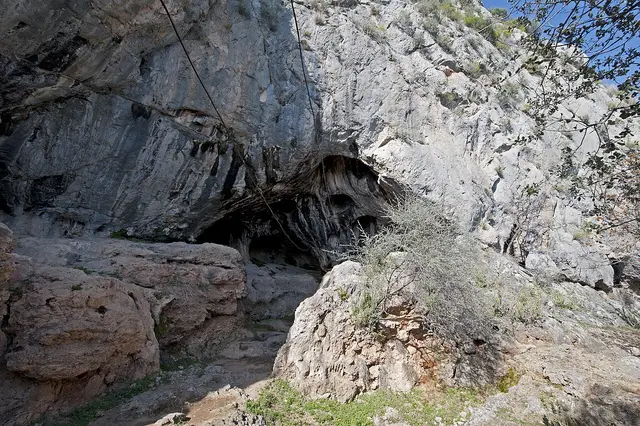
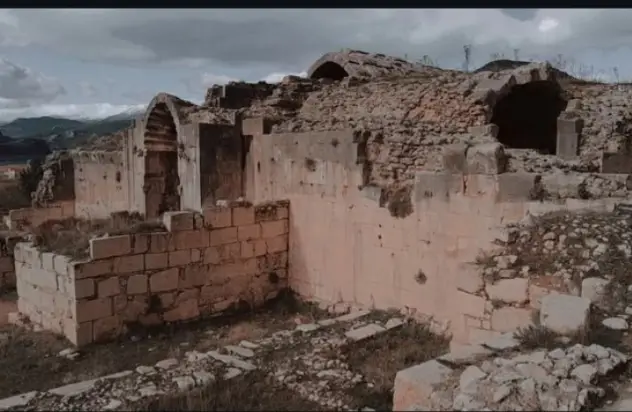
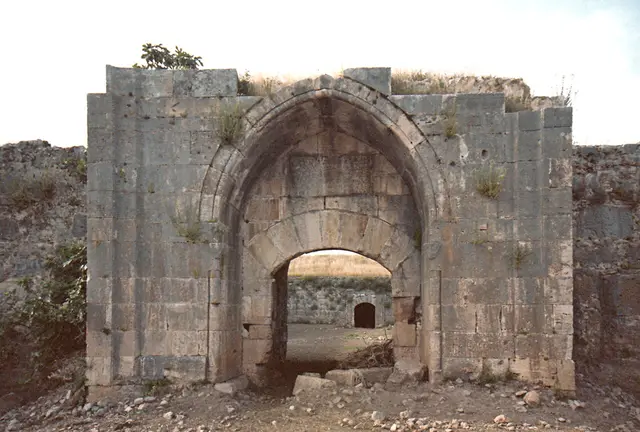
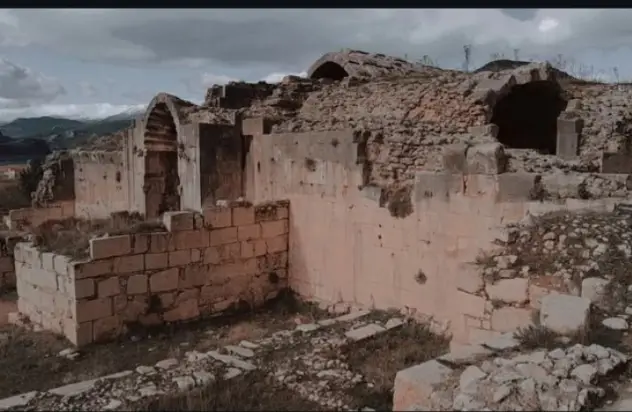
Two very different kinds of heritage meet here. Karain Cave preserves evidence of human occupation from deep prehistory. Much later routes left caravanserais and other structures associated with travel and exchange. The district’s weaving tradition adds a third scale: craft made for everyday domestic life.
History and local character
Karain is an important Palaeolithic site, with archaeological research documenting a long sequence of occupation. It is not simply a scenic cave. Evdir Han and Kırkgöz Han belong to a different historical context, when roadside accommodation helped support journeys through the region. These layers should be kept separate rather than compressed into one date or civilisation.
Landscape and local life
The name Döşemealtı is also associated with handwoven carpets, documented in research on regional craft. Their patterns and production connect material culture with local households. The district’s present-day settlements should not all be assumed to share the same rural character: historic sites, growing residential areas and productive landscapes coexist.